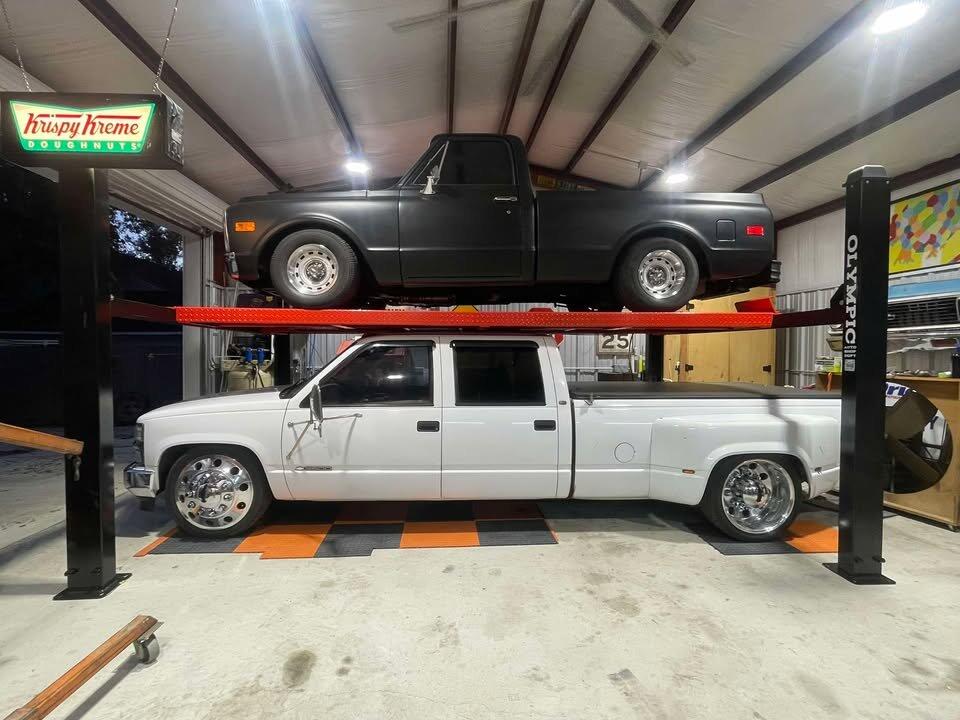
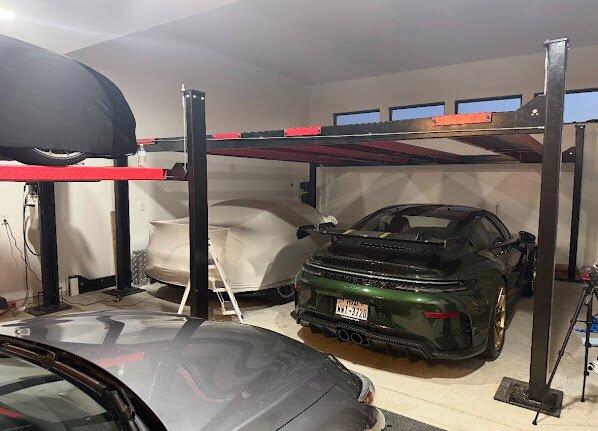
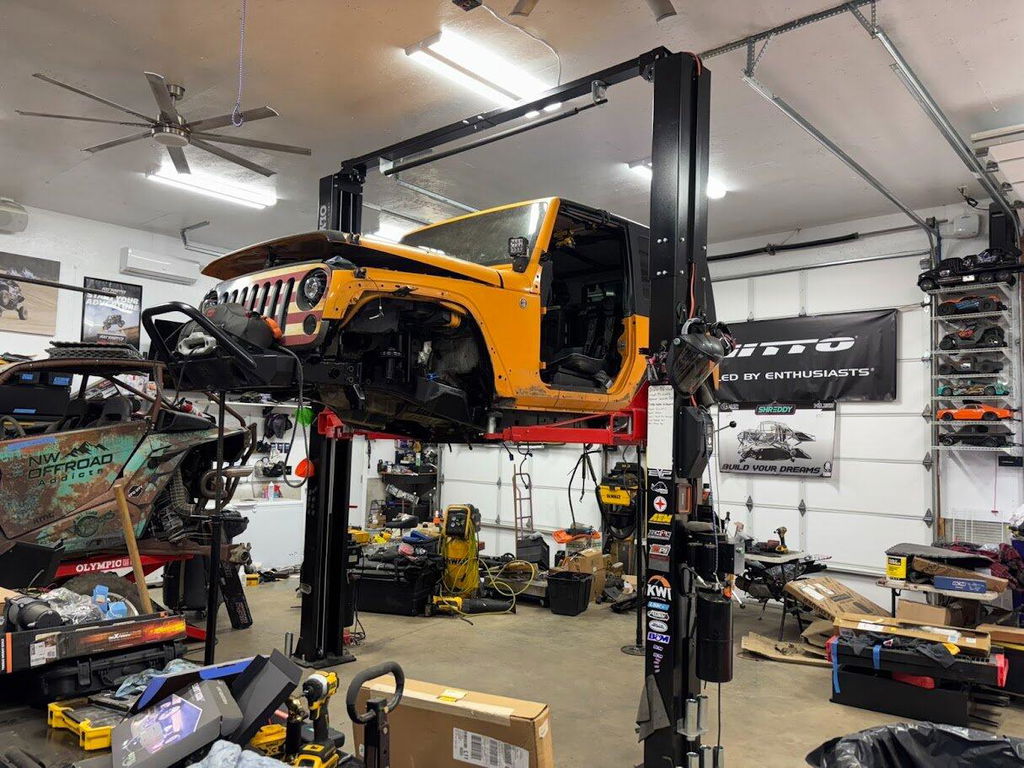
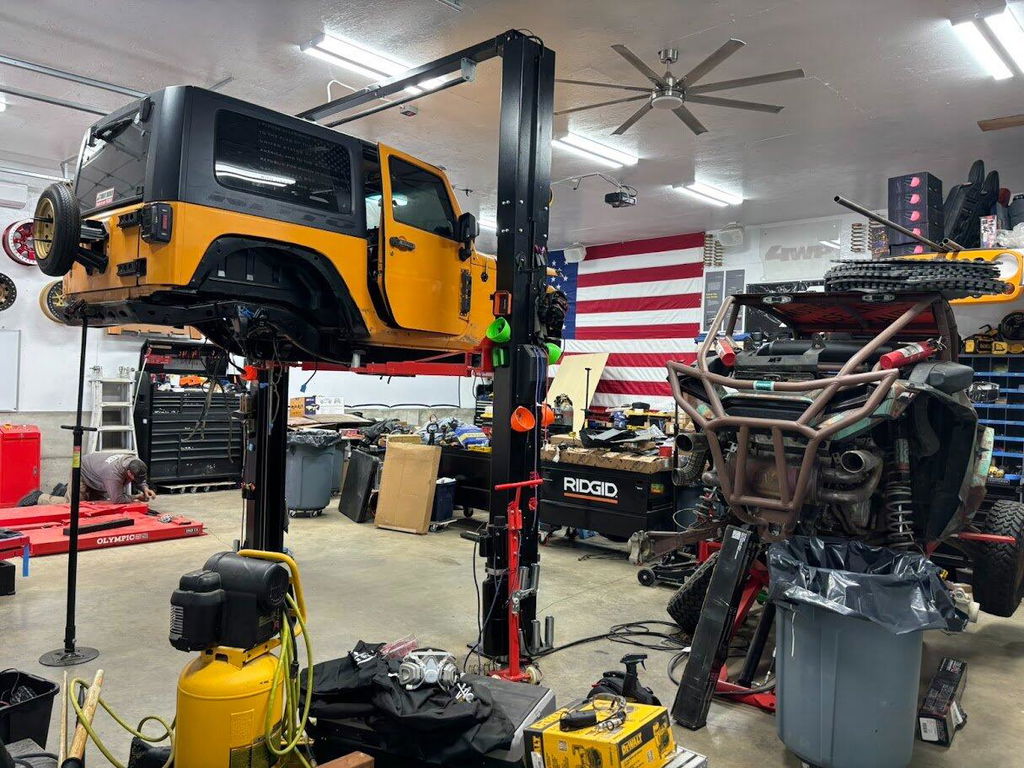
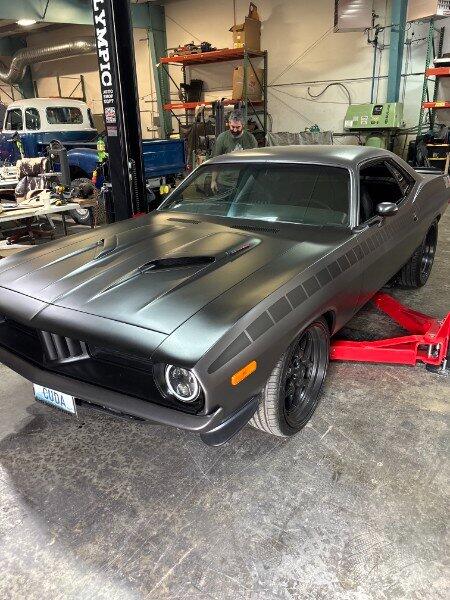
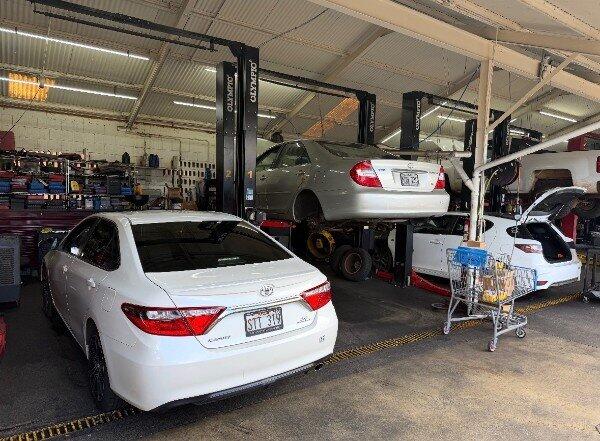
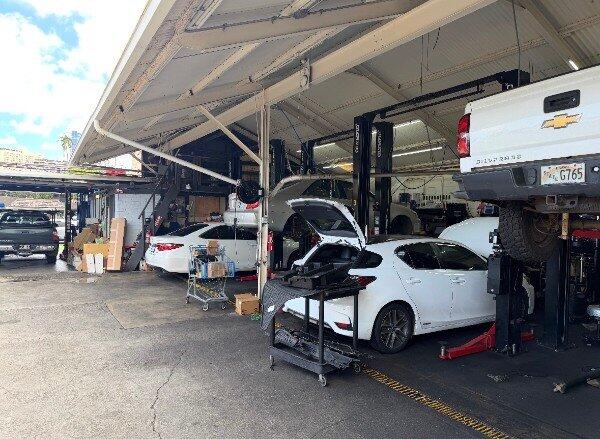
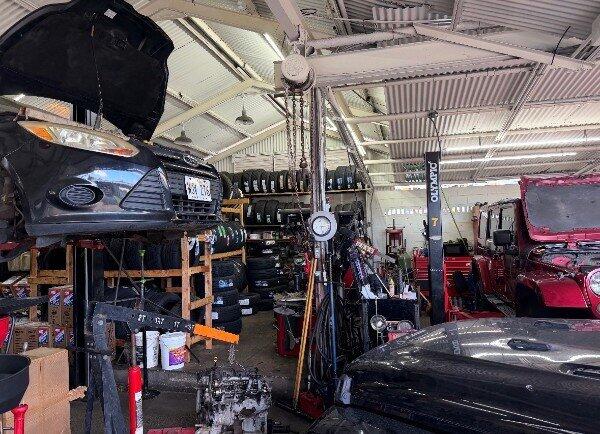
An alignment bay is a complete working system: the rack supports the vehicle, the alignment machine measures it, and the technician needs space to inspect, adjust and verify the result.
Start with the vehicles and services
List the shortest and longest wheelbases, widest vehicles and heaviest configurations you expect to service. Include low-clearance cars and trucks with accessories. Decide whether the bay will be dedicated to alignment or also handle other maintenance work.
Compare the lift’s capacity and usable geometry with that list. A vehicle may be below the weight rating but still fall outside the supported wheelbase or tire-position range.
Choose a compatible rack and measuring system
An alignment rack needs the correct turnplate and slip-plate arrangement for the intended work. Check how different wheelbases position the tires on those surfaces. Verify working height, approach clearance and access to suspension adjustment points.
Check the aligner’s installation layout separately. Camera-to-target distance, target visibility, equipment placement and the measuring procedure are specific to the system. A camera cabinet cannot simply be positioned wherever floor space remains.
Olympic offers alignment lifts and alignment machines. Ask for a matched layout rather than selecting the two independently.
Plan for wheels-free work
A drive-on alignment rack supports the vehicle by its tires. If your service plan includes wheel removal or suspension work, check the compatible bridge jack or integrated auxiliary-lift arrangement.
The jack has its own capacity, lifting-point geometry and operating procedure. Its rating does not increase the main lift’s rating. Confirm fit and approved use with the exact rack model before ordering an accessory.
Leave room for the actual job
- A straight, usable approach to the rack
- Clearance for the complete vehicle and ramps
- Space for target installation and removal
- Access to adjustment points and the control station
- Protected storage for targets, clamps and adapters
- Routes for power and air that avoid work and walking areas
Mark the proposed equipment footprint on the floor and walk through a typical job. Include doors opening and tools moving, not just a parked vehicle.
Confirm commissioning and training
Before the first customer job, arrange installation, required setup checks or calibration, and operator training. Confirm vehicle database coverage and any update arrangements with the equipment supplier.
Alignment and ADAS calibration are different services. Some vehicle procedures require steering-angle resets or calibration after alignment; an alignment machine alone does not mean the shop has all necessary ADAS equipment or coverage.
Bring Olympic your bay measurements, vehicle list and service goals. Use the shop-measurement checklist to prepare.
Put the right equipment to work.
Tell Olympic about your vehicles, your space and the work you want to do.