How to Compare Residential Car Lift Brands
Make your next lift a confident choice.
The best residential car-lift brand is the one that can document a safe fit for your vehicle, garage and intended work—and support the lift after installation.

1. Define the job
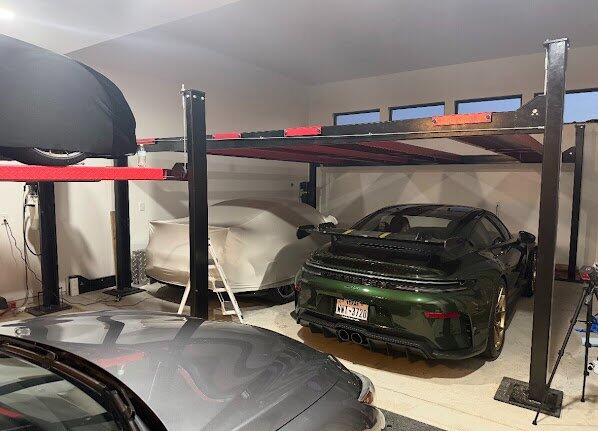
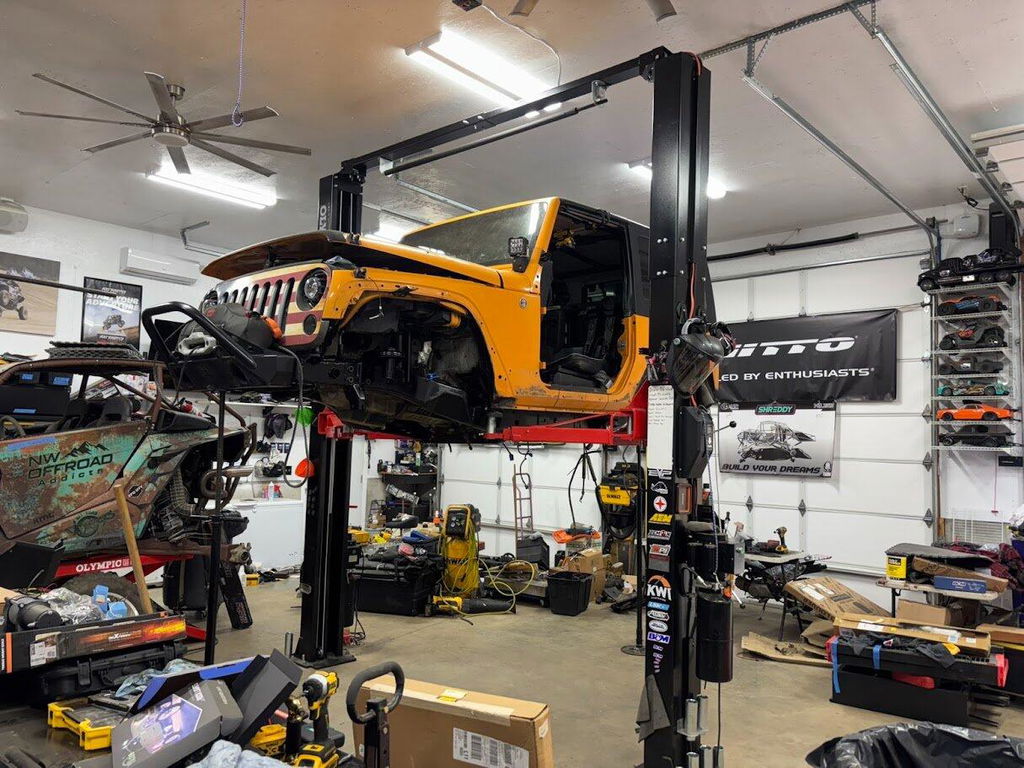
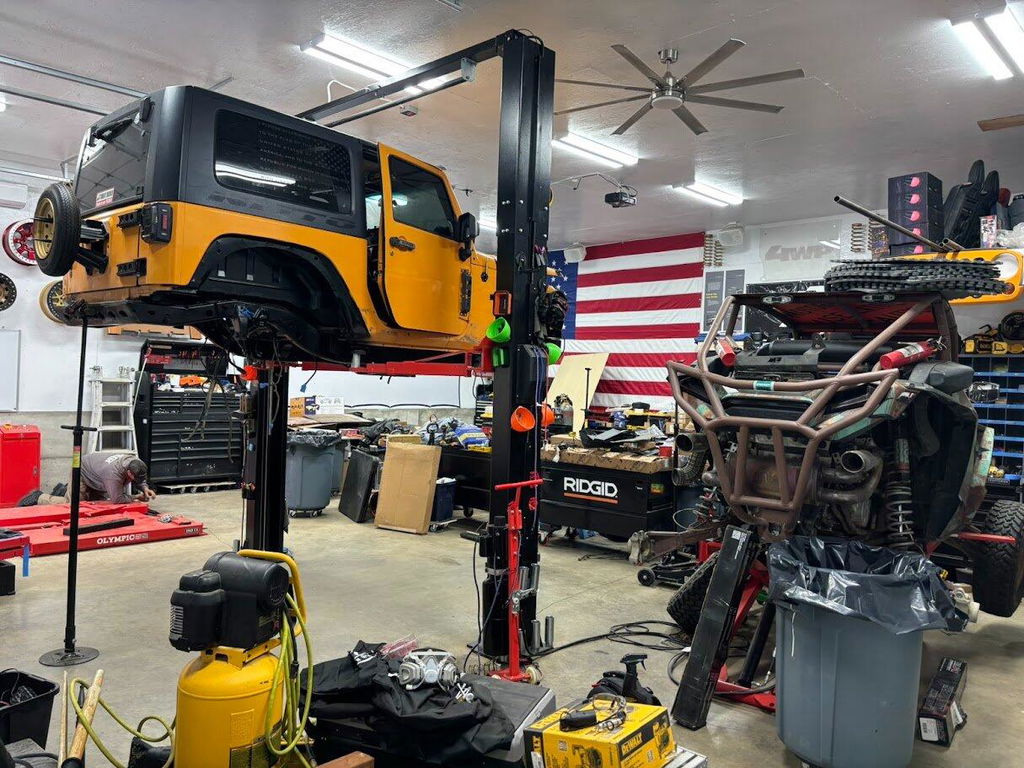
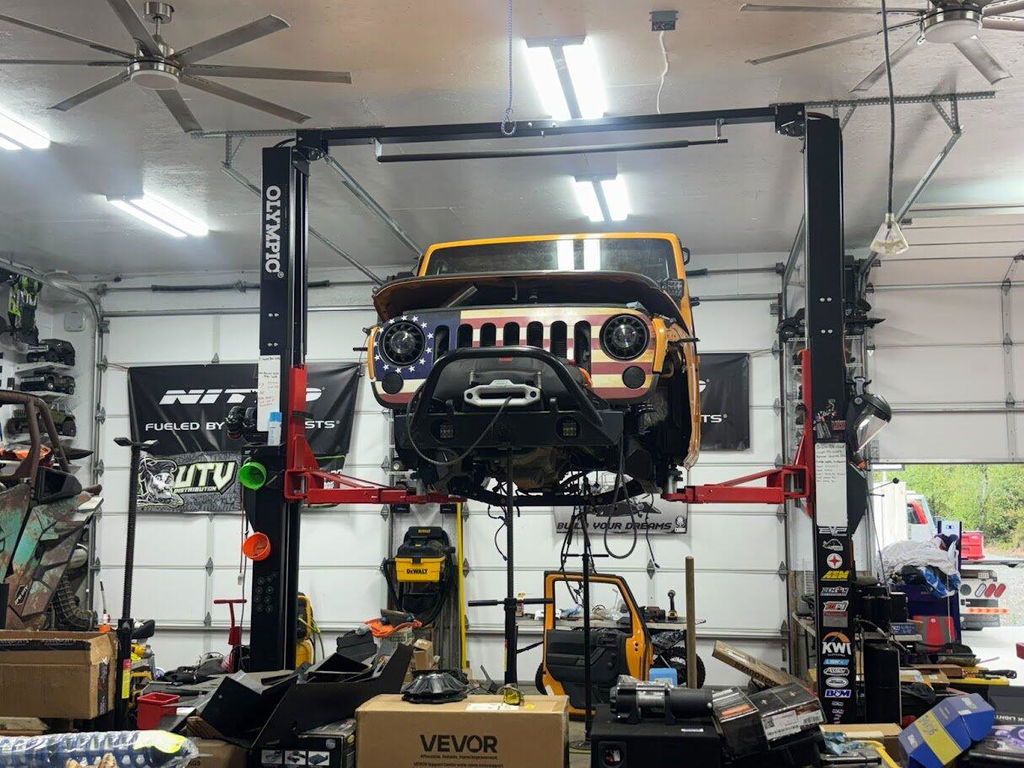
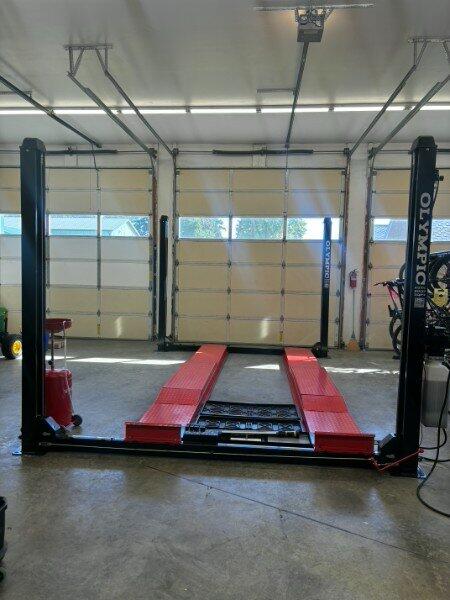
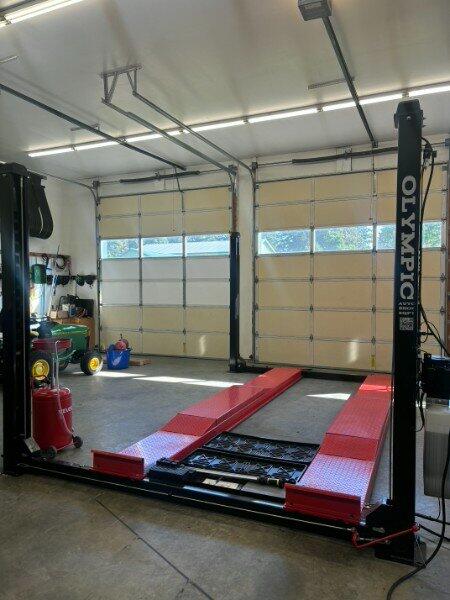
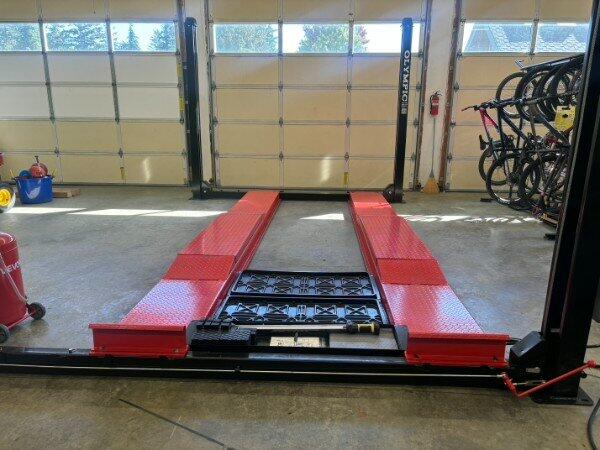
Decide whether the lift is for parking, storage, detailing, general maintenance, wheel-off repair or restoration. Four-post lifts are often selected for drive-on storage; two-post lifts provide wheel access but require correct lifting-point placement; scissor lifts save space but have different access and vehicle-fit limits.
2. Record the vehicle—not just its curb weight
- Year, make, model, body, cab, bed, drivetrain and wheelbase
- Actual loaded weight and front/rear axle weights when possible
- Track width, tire width, ground clearance and roof height
- Manufacturer-approved lifting points
- Accessories, cargo, service body, winch, armor or camper weight
Do not select a lift simply because its headline capacity exceeds curb weight. Weight distribution, wheelbase, runway geometry and arm reach can still make it unsuitable.
3. Measure the complete garage
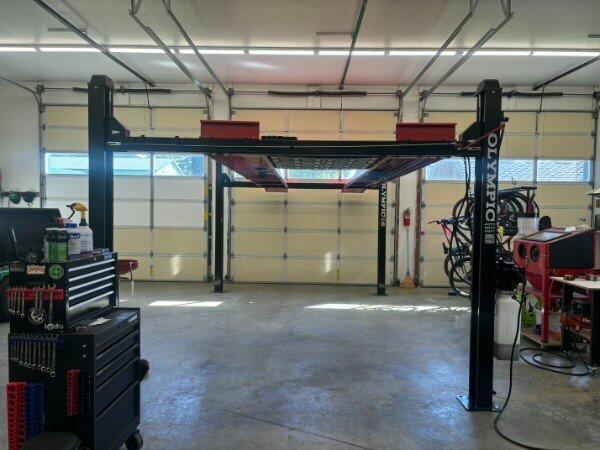
Measure clear ceiling height, bay width and length, door tracks, openers, lights, beams, stairs and approach space. For stacked parking, add the lower vehicle height, upper vehicle height, lift runway thickness, required clearances and a safety margin. See garage height for a 4-post lift.
4. Verify the slab and utilities
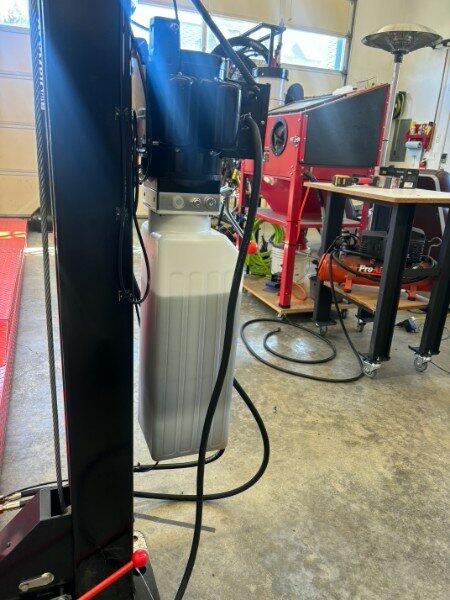
Concrete requirements are model-specific. Review the current installation manual and have questionable slabs evaluated by a qualified professional. Confirm voltage, amperage, circuit, plug or hardwire requirements, hydraulic-unit location and compressed air if the lock-release or accessories require it. See concrete requirements for car lifts.
5. Compare exact models in writing
| Evidence to collect | Why it matters |
|---|---|
| Current dimension drawing | Confirms overall size, clearances, runway geometry or arm envelope |
| Installation and operation manual | Defines slab, anchors, utilities, assembly, inspection and maintenance |
| Identification-plate data | Connects the delivered unit to its rated capacity and model |
| ALI directory entry, when claimed | Certification is tied to an exact manufacturer/model/configuration |
| Written warranty | Shows covered components, exclusions, labor and owner obligations |
| Parts list and service path | Shows how the lift can be maintained years later |
| Written vehicle-fit confirmation | Creates a record of the intended application and assumptions |
6. Evaluate the support package
Ask who unloads the lift, who evaluates the slab, who installs and anchors it, who performs electrical work, and who handles warranty diagnosis. Confirm where replacement cables, cylinders, seals, locks, adapters and wear items are stocked. Olympic publishes manuals, parts, installation information, service requests and its written warranty.
7. Read reviews for the same application
Give more weight to reviews that name the model, vehicle, use, installer and length of ownership. A generic five-star review does not prove fit for a long-wheelbase truck or a low-ceiling garage. See Olympic Equipment reviews organized by application.
8. Compare total installed cost
Include freight, terminal or residential delivery, forklift or unloading, installation, anchors, electrical work, compressed air, oil, accessories, permits, taxes and future inspection or maintenance. A lower equipment price can become a higher installed cost if important items are excluded.
Red flags
- Brand-wide certification claims without an exact directory entry
- No current manual or dimension drawing before purchase
- Vehicle fit promised from capacity alone
- Concrete advice given without reference to the exact manual and slab condition
- Warranty headline without written terms
- No clear parts or service contact
Final recommendation
Shortlist models only after the vehicle and site are documented. Then compare the exact drawing, manual, certification record, warranty, installer scope, parts plan and total installed cost. Keep those documents with the lift for future owners and service technicians.
Last reviewed September 2, 2026. This guide is educational and does not replace the exact manufacturer manual, professional site evaluation or applicable code.
The right lift. The right setup.
Tell us about your vehicle, your space and your ZIP code. We’ll help you choose equipment and arrange nationwide installation.