Understanding 2-Post Lifts: The Backbone of Automotive Maintenance
When it comes to automotive maintenance and repair, the right equipment can make all the difference between a smooth operation and a frustrating experience. At the heart of many professional auto shops and increasingly in home garages, the 2-post lift stands as an indispensable tool. These vertical marvels enable mechanics and enthusiasts alike to elevate vehicles to a comfortable working height, providing unobstructed access to the undercarriage while occupying minimal floor space.
Whether you're a professional mechanic looking to enhance your workspace or a car enthusiast seeking to optimize your home garage, understanding the nuances of 2-post lifts is essential for making an informed investment. These sophisticated pieces of equipment vary significantly in capacity, features, and price points, making the selection process somewhat daunting for the uninitiated.
The Mechanics Behind 2-Post Automotive Lifts
The fundamental design of a 2-post lift consists of two vertical columns positioned parallel to each other, with arms that extend from each column to support the vehicle at designated lifting points. The synchronization between these columns is achieved through either hydraulic or electro-mechanical systems, ensuring the vehicle rises evenly and securely.
Hydraulic systems utilize fluid pressure to generate lifting power, offering smooth operation and considerable weight capacity. Electro-mechanical alternatives employ screws or chains driven by electric motors, providing precise height control and often requiring less maintenance. The decision between these mechanisms typically hinges on specific usage requirements, space constraints, and budget considerations.
Selecting the Right 2-Post Car Hoist for Your Needs
The market offers a plethora of options when it comes to 2-post car hoists, making it imperative to assess your specific requirements before making a purchase. Key considerations include the types of vehicles you'll be lifting, the available space in your facility, and your budgetary constraints.
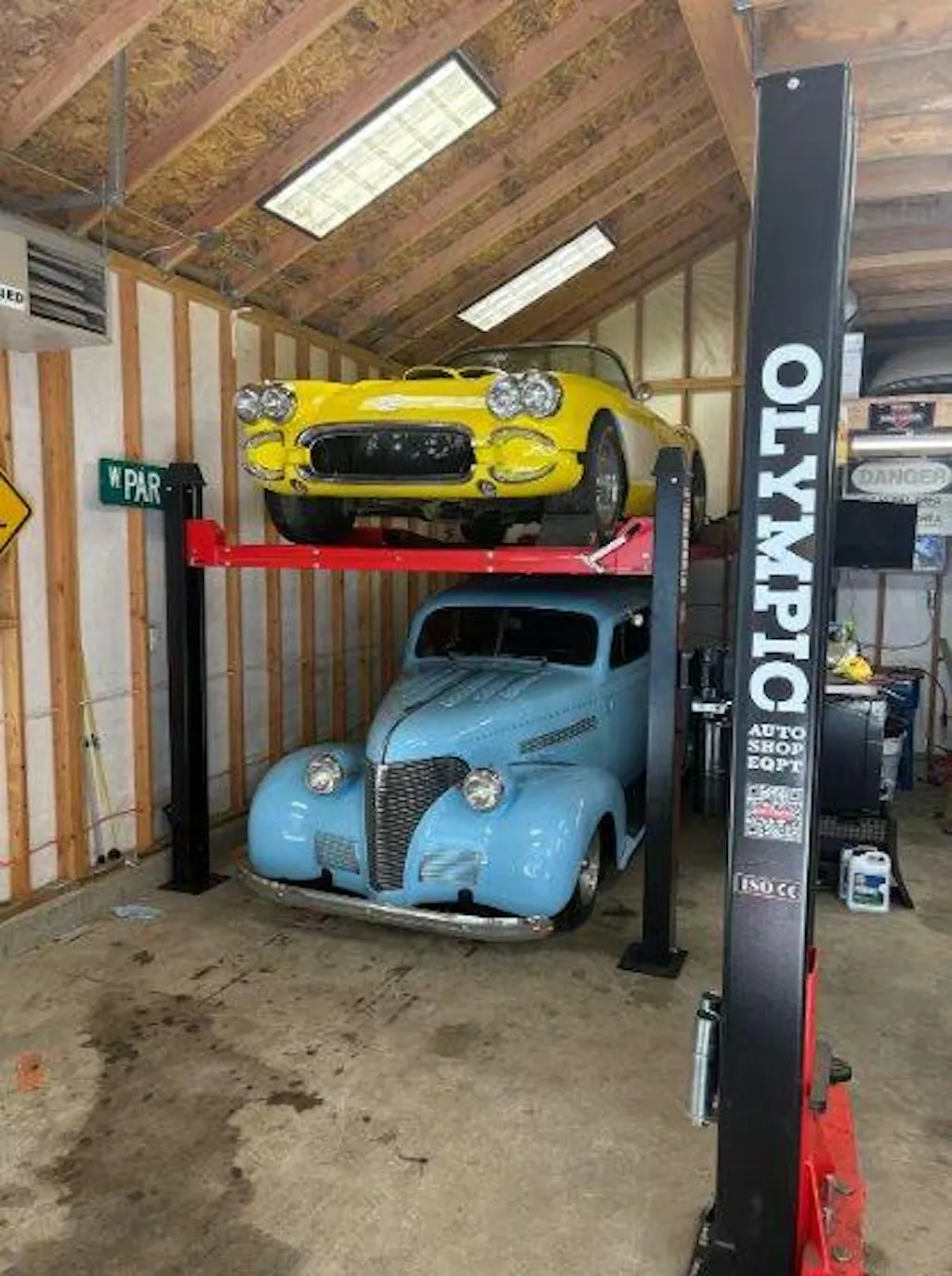
For those seeking reliable equipment without breaking the bank, Olympic Equipment offers a comprehensive collection of 2-post lifts designed to meet various needs and specifications.
This curated selection features 2-post lifts engineered for durability and performance, with options ranging from entry-level models suitable for light-duty applications to heavy-duty variants capable of handling commercial workloads. Each lift in the collection comes with detailed specifications and clear pricing, allowing customers to find the perfect match for their automotive lifting requirements while ensuring safety and efficiency.
Capacity Considerations: From Compact Cars to Heavy-Duty Trucks
Perhaps the most critical factor in selecting a 2-post lift is its weight capacity. Most standard models offer ratings between 9,000 and 12,000 pounds, sufficient for most passenger vehicles and light trucks. However, if your work involves SUVs, full-size trucks, or commercial vehicles, you'll want to consider a heavy-duty 2-post car lift with a 10,000 lb capacity or greater.
It's crucial to remember that a lift's capacity rating represents its maximum capability under optimal conditions. As a rule of thumb, professionals recommend choosing a lift with at least 25% more capacity than the heaviest vehicle you plan to service, providing a margin of safety and prolonging the equipment's operational life.
"Always prioritize capacity over cost when selecting a lift. The consequences of an undersized lift can be catastrophic to both your vehicle and personal safety." - Automotive Equipment Specialists Association
Installation Considerations for 2-Post Auto Lifts
The installation process for a 2-post lift requires careful planning and precise execution. While some experienced DIY enthusiasts may be tempted to tackle this project independently, professional installation is strongly recommended to ensure safety, compliance with local building codes, and warranty validation.
Finding Reputable 2-Post Lift Installation Near Me
Locating qualified technicians for 2-post auto lift installation near your location involves research beyond simple internet searches. Certified installers possess specialized knowledge regarding concrete requirements, electrical specifications, and safety standards that impact both the performance and longevity of your equipment.
When seeking installation services, consider the following criteria:
- Certification by the lift manufacturer or recognized industry organizations
- Experience specifically with the model you've purchased
- Familiarity with local building codes and permit requirements
- Comprehensive post-installation testing and safety verification
- Warranty coverage for both parts and labor
Comparing Commercial vs. Home Garage Applications
The requirements for a commercial 2-post automotive lift differ significantly from those intended for home garage use. Commercial environments typically demand equipment with higher duty cycles, enhanced durability, and comprehensive warranty coverage to withstand constant usage.
Best 2-Post Car Lift for Home Garage Environments
Home enthusiasts seeking the best 2-post car lift for their garage should prioritize space efficiency, ease of operation, and compatibility with residential power supplies. Many manufacturers now offer asymmetric models specifically designed for residential applications, featuring narrower footprints and lower ceiling height requirements.
For home garage installations, considerations extend beyond the lift itself to include:
| Consideration | Typical Requirement | Notes |
|---|---|---|
| Concrete thickness | 4-6 inches minimum | May require reinforcement for older slabs |
| Ceiling height | 11-12 feet minimum | Varies based on vehicles being lifted |
| Electrical supply | 220V single-phase | Some models offer 110V options |
| Floor space | 12' x 12' minimum | Includes working area around lift |
Budget Considerations and Long-Term Value
While initial cost often drives purchasing decisions, the total cost of ownership for a 2-post lift extends well beyond the purchase price. A budget 2-post car lift for small shops might seem attractive initially, but may incur higher maintenance costs and shorter operational life compared to premium alternatives.
Evaluating Warranty Coverage and After-Sale Support
A comprehensive warranty serves as both protection and an indicator of the manufacturer's confidence in their product. A 2-post lift with 10-year warranty coverage represents a significant advantage, particularly for commercial users who depend on consistent equipment availability.
When assessing warranty offerings, pay close attention to:
- Coverage duration for structural components versus moving parts
- Labor inclusion or exclusion
- On-site service availability
- Parts availability and shipping timelines
- Transferability if you sell your business or property
Frequently Asked Questions About 2-Post Lifts
Essential Information for Potential Buyers
As you navigate the selection process for a 2-post hydraulic lift or similar equipment, certain questions consistently arise among prospective buyers. Understanding these common concerns can help clarify your decision-making process.
How much concrete is required for a safe installation?
Most manufacturers specify a minimum concrete thickness of 4-6 inches, with 3,000 PSI strength or greater. The concrete should be fully cured (typically 28 days) and free from significant cracks or deterioration. For heavier capacity lifts, thicker concrete may be necessary.
What's the difference between symmetric and asymmetric lifts?
Symmetric lifts position the vehicle centered between the columns, while asymmetric designs offset the vehicle toward the rear, allowing better door access. Asymmetric configurations have gained popularity in space-constrained environments where door access is prioritized.
How often should a 2-post lift be inspected?
Professional environments should conduct daily visual inspections and more comprehensive monthly examinations of cables, hydraulics, and safety mechanisms. Annual certification by qualified technicians is recommended and may be required by insurance providers or regulatory agencies.
Can I install a 2-post lift on a sloped garage floor?
Minor slopes (less than 3 degrees) can sometimes be accommodated with manufacturer-approved shims or leveling kits. However, significant slopes compromise safety and operational integrity, potentially voiding warranties and creating dangerous lifting conditions.
Investing in a quality 2-post car jack lift represents a significant enhancement to any automotive workspace, whether professional or personal. By carefully evaluating your specific needs, researching available options, and prioritizing safety and reliability, you can select equipment that will serve your automotive lifting requirements for many years to come.